Get Poison Ivy Removal
Poison ivy removal services help property owners eliminate hazardous plants from yards, gardens, or wooded areas, preventing skin irritation and ensuring safe outdoor spaces.
If your property has become overgrown with poison ivy, finding reliable removal services is an important step toward maintaining a safe and healthy outdoor space. Property owners in the area often seek professional assistance to effectively eliminate these plants, especially when dealing with large or hard-to-reach areas. Exploring local contractors can help you compare options and determine the best approach for your specific needs, ensuring the job is handled safely and thoroughly.
Understanding the benefits of professional poison ivy removal can support your planning process. Local service providers are equipped to handle the complexities of plant removal, helping to prevent potential skin irritations or damage to surrounding vegetation. Keep reading to learn more about how experienced contractors can assist with your property’s needs and how to connect with trusted professionals nearby.
- Poison Ivy Removal - when plants have grown into hard-to-reach areas that pose a risk of skin irritation.
- Poison Ivy Removal - if you notice clusters of plants spreading across your yard or property.
- Poison Ivy Removal - when overgrown vines threaten to damage fences, trees, or structures.
- Poison Ivy Removal - during property clean-up projects that require safe removal of hazardous plants.
- Poison Ivy Removal - in cases where invasive ivy is encroaching on gardens or landscaped areas.
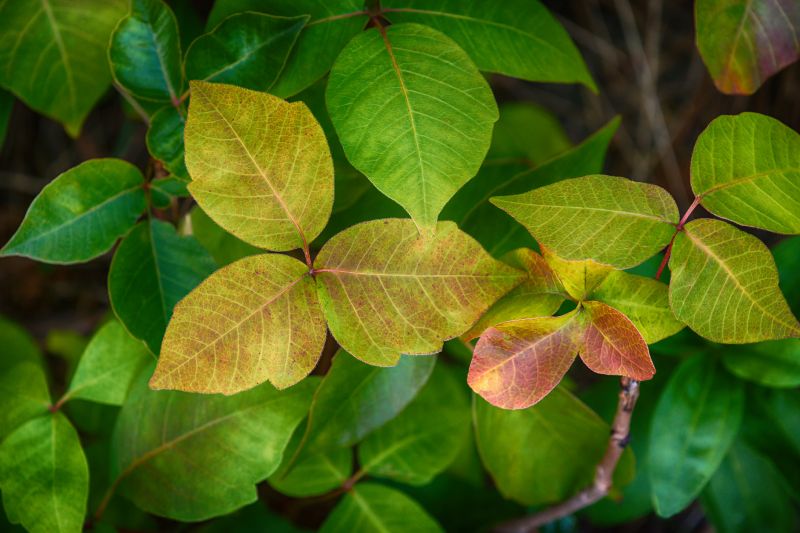
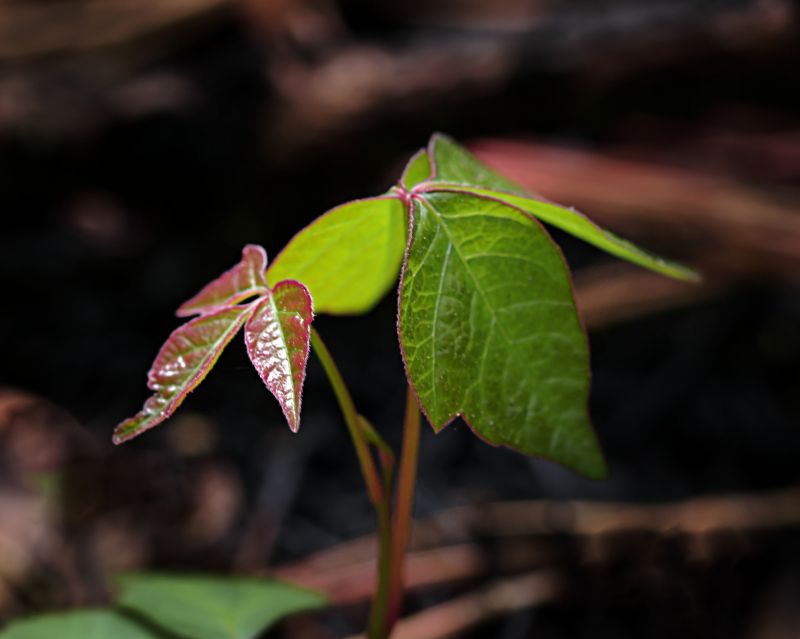
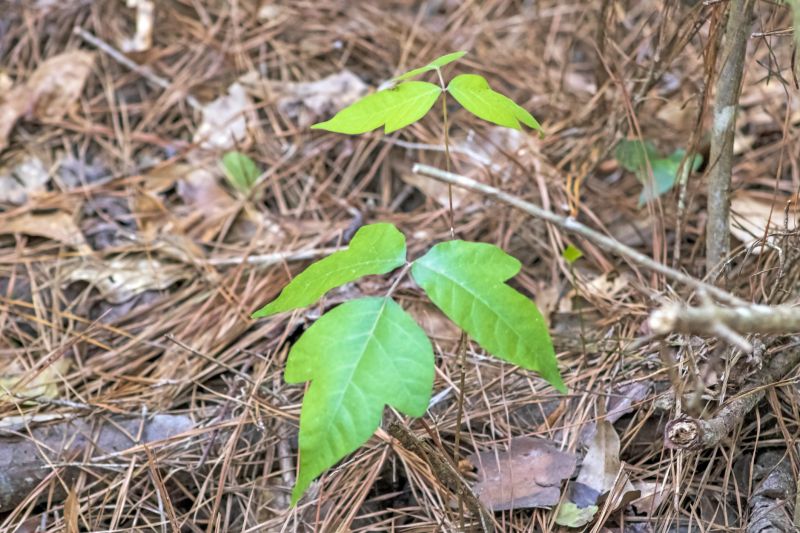
Poison ivy removal services involve identifying and safely eliminating this invasive plant from residential or commercial properties. These professionals typically assess the affected areas to determine the extent of the growth and develop a plan to remove the poison ivy without damaging surrounding plants or landscape features. The process may include carefully cutting back vines, treating remaining roots with specialized herbicides, and ensuring that the plant does not regrow. Proper removal is essential to prevent the spread of poison ivy and to make outdoor spaces safe for use.
This service helps solve common problems associated with poison ivy exposure, such as skin irritation, allergic reactions, and the risk of accidental contact during outdoor activities. Poison ivy can quickly take over yards, gardens, fences, and trees, creating hazards for children, pets, and anyone spending time outside. Removing the plant not only improves safety but also restores the aesthetic appeal of outdoor areas, making them more enjoyable and accessible for everyday use.
Properties that typically utilize poison ivy removal services include residential homes with yards or gardens, especially those with dense vegetation or wooded areas nearby. Commercial properties, parks, and recreational spaces also often require professional removal to maintain safe environments for visitors and employees. Any property experiencing persistent poison ivy growth or where the plant poses a safety concern may benefit from the expertise of local contractors who specialize in this type of vegetation management.
Homeowners who notice clusters of poison ivy or suspect its presence in their yard should consider professional removal services to address the issue effectively. Prompt action can prevent the plant from spreading further and reduce the risk of accidental contact. Whether dealing with a small patch or a larger infestation, connecting with experienced service providers ensures that the removal process is handled safely and thoroughly, helping to keep outdoor spaces safe and attractive.
The overview below groups typical Poison Ivy Removal projects into broad ranges so you can see how smaller, mid-sized, and larger jobs often compare in your area.
In many markets, a large share of routine jobs stays in the lower and middle ranges, while only a smaller percentage of projects moves into the highest bands when the work is more complex or site conditions are harder than average.
Smaller Jobs - Poison ivy removal for small areas or single plants typically ranges from $250-$600. Many routine jobs fall within this middle range, depending on the extent of the infestation.
Moderate Projects - Larger patches or multiple locations can cost between $600-$1,500. These projects often involve more extensive work and may require additional cleanup or safety measures.
Large or Complex Jobs - Extensive infestations or difficult access sites can push costs beyond $1,500, sometimes reaching $3,000 or more. Fewer projects fall into this highest tier, but they are necessary for severe cases.
Full Property Removal - Complete removal of poison ivy across an entire property can range from $2,500-$5,000+ depending on size and complexity. Local contractors can provide estimates based on the specific scope of work.
Actual totals will depend on details like access to the work area, the scope of the project, and the materials selected, so use these as general starting points rather than exact figures.
Vegetation Removal - professionals skilled in safely removing invasive plants and clearing overgrown areas, similar to poison ivy eradication.
Tree and Shrub Trimming - contractors experienced in pruning and trimming to prevent plant overgrowth that can lead to hazardous contact with properties.
Landscape Clearing - service providers capable of clearing brush and dense foliage, which often involves handling similar plant removal techniques as poison ivy jobs.
Hazardous Plant Disposal - experts who manage the safe removal and disposal of potentially harmful plants and weeds from residential or commercial sites.
Fence and Property Line Maintenance - crews that trim back encroaching vegetation to maintain clear boundaries, requiring similar planning and plant management skills.
Storm Damage Cleanup - professionals equipped to remove fallen branches and debris, often involving the removal of invasive plants after severe weather events.
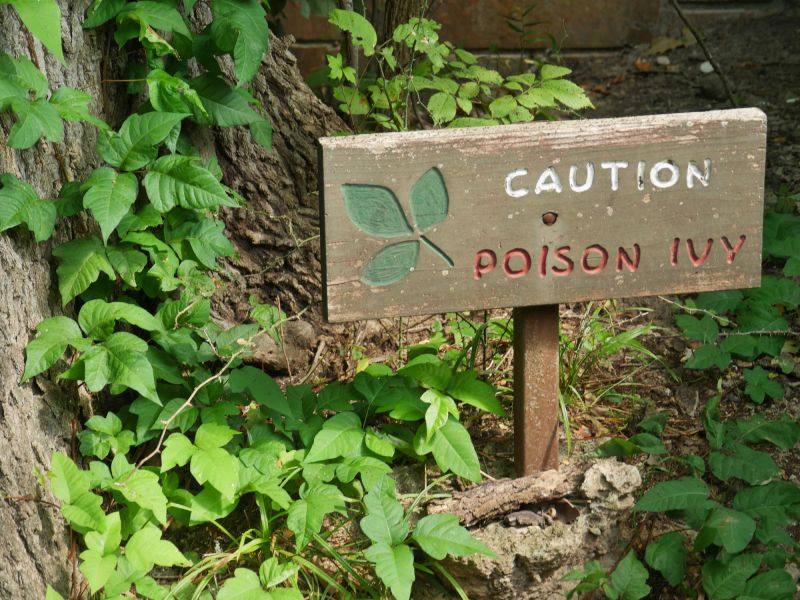
When evaluating potential service providers for Poison Ivy removal, it’s important to consider their experience with similar projects. Homeowners should look for local contractors who have a proven track record of successfully handling poison ivy or invasive plant removal in residential settings. An experienced pro will understand the best techniques for safe and effective removal, helping to ensure that the job is completed thoroughly and reduces the likelihood of regrowth. Asking about past projects or requesting references can provide insight into their familiarity with the specific challenges involved in poison ivy removal on properties similar to one’s own.
Clear, written expectations are essential when comparing local pros. Homeowners should seek providers who can offer detailed descriptions of the services they will perform, including the scope of work, methods used, and any necessary follow-up. Having these expectations documented helps prevent misunderstandings and ensures that both parties are aligned on what will be delivered. It’s also beneficial to request a written estimate or proposal, which can serve as a basis for comparison among different local contractors and help identify those who communicate transparently and professionally.
Good communication and reputable references are key indicators of a reliable service provider. Homeowners should prioritize local pros who are responsive to inquiries, willing to answer questions, and provide clear contact information. Additionally, asking for references from previous clients can help verify the contractor’s reputation and quality of work. Hearing about others’ experiences can provide confidence in selecting a provider who is dependable and attentive to customer needs. It’s important to remember that the site introduces homeowners to local options for poison ivy removal, but it does not perform the work itself, so taking the time to assess each contractor’s experience, expectations, and communication practices is a crucial step in making an informed choice.
Property owners use Poison Ivy Removal services for practical projects around their homes and businesses. This guide focuses on everyday jobs and straightforward project options.
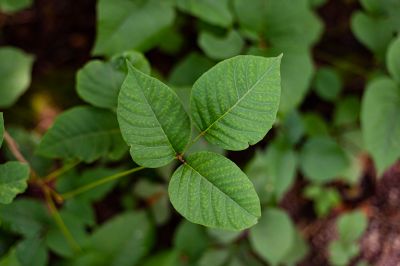
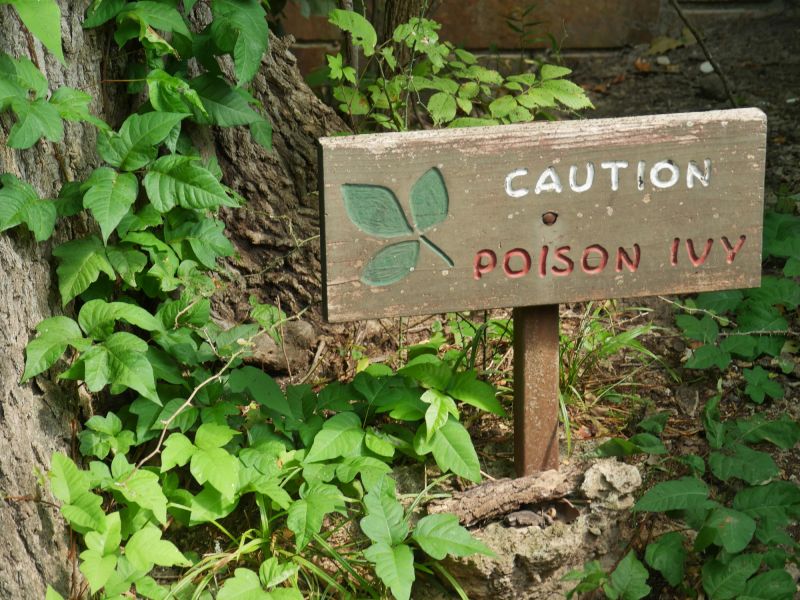
Poison ivy can quickly become a common sight on residential properties, especially in areas with dense foliage or overgrown landscaping. Property owners often seek removal services to prevent skin irritation for themselves and their families, as well as to protect pets from accidental contact. Overgrown plants can also pose a risk to outdoor activities and make yards less accessible or enjoyable, prompting homeowners to look for local contractors experienced in safe and effective removal.
In addition, many property owners notice poison ivy spreading into unwanted areas, such as along fences, driveways, or garden beds, which can lead to increased difficulty in maintaining a tidy outdoor space. Local service providers are frequently called upon to handle these situations, offering professional removal to help keep yards safe and visually appealing. Connecting with experienced contractors ensures that poison ivy is managed properly, reducing the risk of future growth and maintaining a healthy, hazard-free environment.
What causes poison ivy to grow in certain areas? Poison ivy typically thrives in shaded, moist environments such as forests, along fences, and in overgrown yards where it can find ample sunlight and shelter.
How can I identify poison ivy on my property? Poison ivy usually has clusters of three leaflets with a glossy or dull surface, and it may appear as vines, ground cover, or shrub-like plants. Learning to recognize its distinctive leaves can help in early identification.
What are common methods local contractors use for poison ivy removal? Contractors often employ manual removal, herbicide application, or a combination of both to safely eliminate poison ivy from affected areas.
Is it safe to remove poison ivy myself? Removing poison ivy can pose skin irritation risks; consulting experienced local service providers ensures proper safety measures and effective removal techniques are used.
What should I do if poison ivy spreads to my yard? Contact local pros who can assess the situation and recommend appropriate removal strategies to control and prevent further spread of poison ivy.
Poison Ivy Removal for Landscaping - Removing poison ivy can help maintain a safe and attractive yard for outdoor activities and gardening.
Yard Clearing and Safety - Clearing poison ivy from walkways and play areas reduces the risk of skin irritation and makes outdoor spaces more accessible.
Property Maintenance and Upkeep - Regular poison ivy removal can prevent overgrowth and keep the landscape neat and manageable.
Preventative Control Services - Local contractors can assess your property and implement strategies to prevent future poison ivy growth.
If you are thinking about Poison Ivy Removal for a property, this guide is meant to help you understand the work, the typical project types, and how different options might fit your plans.
When you are ready, you can use the quote form on this page to share a few details about your project. From there, local pros can review the basics and respond with options that match what you have in mind.