Get Grub Control
Grub control services help property owners prevent and eliminate damaging insect larvae in lawns and landscapes through treatments provided by local contractors.
If property owners are dealing with persistent grub problems, finding reliable local contractors who specialize in grub control services can provide effective solutions. Proper management of these pests helps protect lawns and gardens from damage, ensuring a healthy and vibrant outdoor space. Exploring options in the area allows for comparison of different approaches and expertise, making it easier to identify the right professionals for the job.
Continuing with this work can be a practical step for those seeking long-term pest management strategies. By reviewing local service providers, property owners can gather information on available services and determine which contractors have the experience to meet their specific needs. Keep reading to discover how to connect with local experts who can assist with effective grub control solutions.
- Grub Control - homeowners experiencing persistent grub activity in their lawns may need professional treatment.
- Grub Prevention - property owners looking to protect their turf from future infestations seek preventative services.
- Soil Treatment - those noticing signs of underground pest damage may require targeted soil applications.
- Lawn Care - individuals wanting to maintain a healthy, grub-free lawn often contact local contractors.
- Pest Management - clients facing multiple pest issues, including grubs, may look for comprehensive pest control solutions.
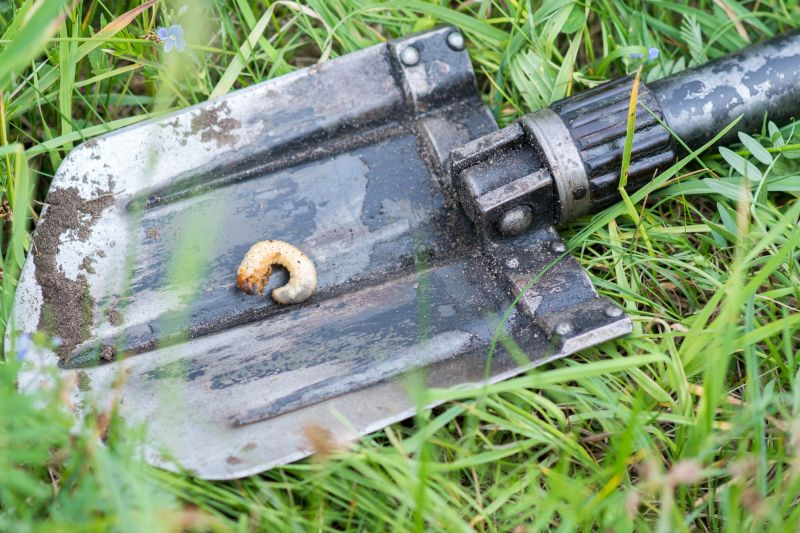
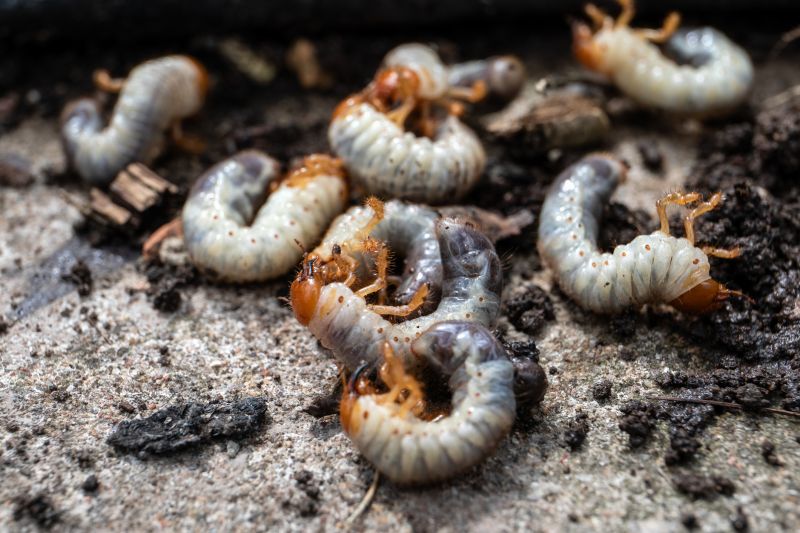
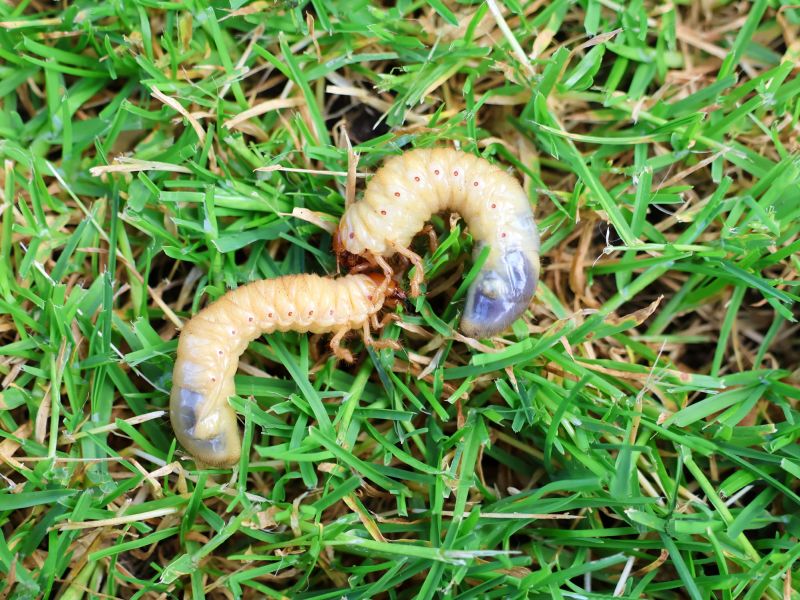
Grub control services focus on identifying and eliminating lawn pests such as Japanese beetles, billbugs, chinch bugs, and other insects that can damage turfgrass. These services typically involve inspecting the property to determine the presence of grubs or related pests, followed by targeted treatment applications. The goal is to protect the health and appearance of lawns by preventing pest infestations from causing extensive damage to the roots and overall grass quality.
These services help solve common problems associated with lawn pests, including brown patches, thinning grass, and uneven turf growth. Grubs and similar insects feed on grass roots, weakening the turf and making it more vulnerable to disease, drought stress, and other environmental factors. By controlling these pests early, property owners can maintain a lush, healthy lawn and avoid costly repairs or reseeding efforts later on.
Properties that typically utilize grub control services include residential yards, community parks, sports fields, and commercial landscapes. Any property with a well-maintained lawn that shows signs of pest activity or damage may benefit from professional pest management. Regular treatments can be especially important in areas prone to pest outbreaks or during seasons when grubs are most active, helping to preserve the overall appearance and vitality of the landscape.
When considering grub control, homeowners and property managers should look for local service providers experienced in pest management techniques suited for their specific turf types and pest issues. These professionals can assess the level of infestation, recommend appropriate treatment options, and provide ongoing maintenance plans to keep lawns healthy and pest-free. Contacting local contractors ensures tailored solutions that address individual property needs effectively.
The overview below groups typical Grub Control projects into broad ranges so you can see how smaller, mid-sized, and larger jobs often compare in your area.
In many markets, a large share of routine jobs stays in the lower and middle ranges, while only a smaller percentage of projects moves into the highest bands when the work is more complex or site conditions are harder than average.
Basic Grub Control - Most routine applications for small lawns typically cost between $250 and $600. Many local contractors handle these standard jobs efficiently within this range. Larger or more complex properties may require higher investments, reaching $700 or more.
Spot Treatments - Targeted treatments for specific problem areas usually fall in the $150-$400 range. Many projects stay within this band, but extensive infestations can push costs higher. Fewer jobs exceed $500 unless multiple areas need attention.
Full Property Treatments - Complete lawn treatments for larger properties often cost between $500 and $1,200. These projects are common for homeowners seeking comprehensive control. Larger, more involved projects can reach $1,500+ depending on size and severity.
Annual Service Plans - Ongoing maintenance plans typically range from $300 to $800 per year. Many clients opt for regular treatments within this range to keep pests under control. Costs above $1,000 are less common and usually involve extensive or multi-season services.
Actual totals will depend on details like access to the work area, the scope of the project, and the materials selected, so use these as general starting points rather than exact figures.
Pest Control Treatments - Professionals specializing in pest control often handle treatments for various pests, including insects that may be related to grub infestations in lawns and gardens.
Lawn Pest Management - Local contractors offering lawn pest management services have experience with soil and turf treatments similar to those used in grub control projects.
Soil Insecticide Applications - These projects involve applying soil treatments to target underground pests, sharing techniques and planning considerations with grub control services.
Landscaping and Yard Maintenance - Landscaping projects often require knowledge of soil health and pest prevention, aligning with the skills needed for effective grub management.
Tree and Shrub Care - Tree and shrub care services sometimes include soil treatments to prevent pests, which relates to the planning and application skills used in grub control.
Garden Pest Prevention - Garden pest prevention projects involve identifying and managing soil-borne pests, utilizing similar tools and planning as grub control services.
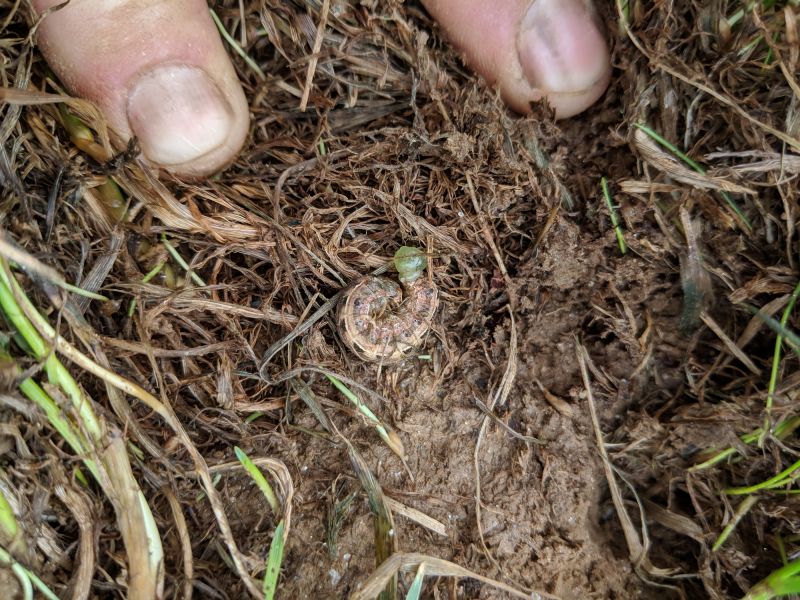
When comparing service providers for Grub Control treatments, it’s important to consider their experience with similar projects. Homeowners should seek out local contractors who have a proven track record in managing lawn pest control services, particularly those who understand the specific conditions of the area. A contractor’s familiarity with local soil types, grass varieties, and common pest issues can contribute to more effective and tailored solutions. Asking for details about their previous work on comparable projects can help gauge their expertise and confidence in delivering results that meet expectations.
Clear, written expectations are essential when evaluating potential service providers. Homeowners should look for contractors who provide detailed descriptions of the services offered, including what is included and any limitations. This documentation helps prevent misunderstandings and ensures everyone is aligned on the scope of work. When reviewing proposals or estimates, it’s beneficial to confirm that the contractor’s approach matches the homeowner’s goals and that there is a shared understanding of the process, outcomes, and any follow-up treatments if needed.
Reputable references and good communication are key indicators of a reliable local contractor. Homeowners should ask for references from previous clients who had similar Grub Control services performed. Contacting these references can provide insights into the contractor’s professionalism, reliability, and quality of work. Additionally, effective communication-such as prompt responses to questions and clear explanations-can make the process smoother and help address any concerns early on. Keep in mind that the site introduces homeowners to local pros who can handle the work, but it does not perform the services itself, so thorough research and direct contact are important steps in choosing the right provider.
Property owners use Grub Control services for practical projects around their homes and businesses. This guide focuses on everyday jobs and straightforward project options.
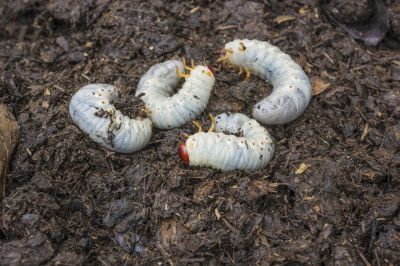
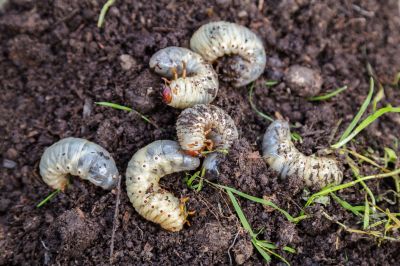
Property owners in the area often seek professional grubs control services to protect lawns and gardens from damaging insect infestations. Common situations include noticing patches of dead grass, increased insect activity, or concerns about underground pests that threaten plant health. Local contractors experienced in grub management can assess the situation and recommend appropriate treatment options to help maintain healthy, vibrant outdoor spaces.
Many property owners look for grub control solutions when preparing for seasonal changes or addressing ongoing pest issues. Unsightly patches or weakened turf can be signs of grub activity, prompting residents to find reliable service providers who can handle the problem efficiently. By connecting with local contractors specializing in pest management, property owners can find effective methods to safeguard their lawns and prevent future damage.
What is grub control service? Grub control service involves applying treatments to prevent or eliminate grub worms from lawns and gardens, protecting plants and turf from damage.
How do local contractors perform grub control? They typically assess the affected area, choose appropriate treatment methods, and apply products to target grub larvae effectively.
Are there different types of grub control treatments? Yes, service providers may use chemical or biological treatments depending on the situation and the preferences of the property owner.
What signs indicate the need for grub control? Signs include patches of dead or thinning grass, increased animal activity digging in the soil, and visible grubs when inspecting the lawn.
How can I find local pros for grub control services? This website helps connect property owners with local contractors experienced in grub management to handle the job professionally.
Identify and eliminate ant and beetle infestations - local contractors can help remove pests that threaten outdoor gardens or indoor spaces.
Prevent future grub problems in lawns and flower beds - professionals can apply treatments to protect turf and plant roots from damage.
Treat soil areas to reduce pest populations - service providers can target specific zones to minimize pest activity around the property.
Implement ongoing pest management plans - local pros can develop strategies to keep pests away seasonally and maintain yard health.
If you are thinking about Grub Control for a property, this guide is meant to help you understand the work, the typical project types, and how different options might fit your plans.
When you are ready, you can use the quote form on this page to share a few details about your project. From there, local pros can review the basics and respond with options that match what you have in mind.